Vàng là một trong những công cụ giao dịch yêu thích của các nhà giao dịch thành công nhất tại NordFX. Điều này có thể dễ dàng xác nhận bằng cách xem xét bảng xếp hạng hàng tháng được công ty môi giới này công bố. Đó là lý do tại sao việc cung cấp một bài đánh giá đặc biệt, tập trung riêng vào cặp XAU/USD, là rất phù hợp.
Vàng Có Thực Sự Là Tài Sản Phòng Thủ Không?
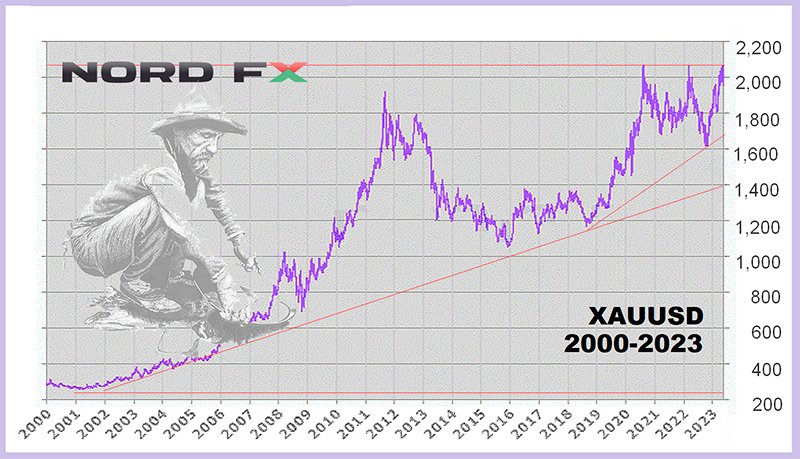
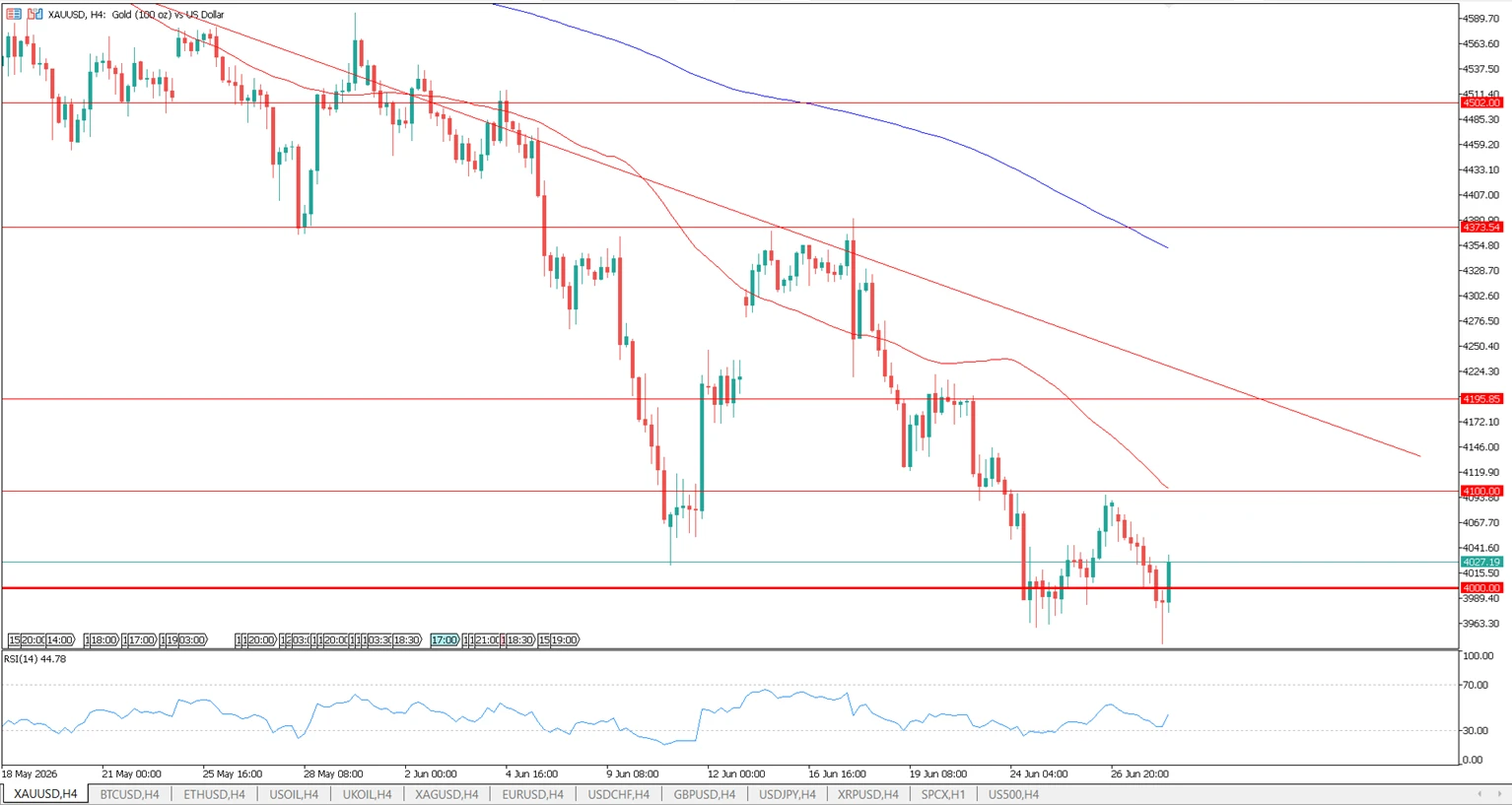
Kể từ khi bài viết này lần đầu tiên được xuất bản, vàng đã trải qua một trong những đợt tăng giá mạnh mẽ nhất trong lịch sử hiện đại của nó. Từ mức đỉnh $2.080 ghi nhận vào tháng 5 năm 2023, giá đã vượt qua $2.500 vào năm 2024, vượt mốc $3.000 vào đầu năm 2025 và đạt mức cao kỷ lục mọi thời đại là $5.592 mỗi troy ounce vào tháng 1 năm 2026. Tính đến giữa năm 2026, XAU/USD đang giao dịch quanh mức $4.000 sau một đợt điều chỉnh mạnh nhưng mang tính đặc trưng. Các nhà tham gia thị trường tiếp tục chuyển sang vàng như một kho lưu trữ giá trị — và cuộc tranh luận về việc liệu nó có thực sự đáp ứng được vai trò đó vẫn còn nguyên tính thời sự như bao giờ hết.
Theo một cuộc khảo sát do Bloomberg tiến hành, khoảng 50% người được hỏi xác định vàng là tài sản trú ẩn an toàn chính của họ (với trái phiếu Kho bạc Mỹ đứng thứ hai, chỉ nhận được 15% phiếu bầu). Tuy nhiên, vàng có thực sự là công cụ hiệu quả để phòng ngừa rủi ro giá cả, hay đây chỉ là một quan niệm sai lầm phổ biến?
Hãy xem xét, chẳng hạn, giai đoạn từ tháng 3 đến tháng 10 năm 2022 khi giá vàng giảm từ $2.070 xuống $1.616, tương đương mức giảm gần 22%. Điều này xảy ra mặc dù thực tế là lạm phát ở Hoa Kỳ đã đạt đỉnh cao nhất trong 40 năm trong thời gian đó. Vậy thì vàng là loại tài sản phòng thủ như thế nào?
Sự Tăng Trưởng Giá Vàng
Nếu chúng ta theo dõi sự biến động của giá vàng kể từ đầu thế kỷ 20, chúng ta quan sát thấy quy luật sau đây. Vào năm 1900, giá của kim loại quý này vào khoảng $20 mỗi troy ounce.
Trong giai đoạn từ năm 1914 đến 1918, trong và ngay sau Thế chiến I, giá đã tăng lên khoảng $35. Sau đó, vào những năm 1930, trong cuộc Đại Suy thoái và do kết quả của các cải cách tiền tệ ở Hoa Kỳ, giá được ấn định ở mức $20,67 mỗi troy ounce. Trong suốt Thế chiến II, giá trị của tài sản này vẫn ổn định và được cố định ở mức $35 theo hệ thống Bretton Woods, cùng mức với thời Thế chiến I.
Năm 1971, Hoa Kỳ từ bỏ bản vị vàng, dẫn đến tỷ giá thả nổi và sự tăng giá vàng. Vào cuối những năm 1970 và đầu những năm 1980, giá đã vượt mốc $800 mỗi troy ounce do căng thẳng địa chính trị, lạm phát và sự sụt giảm sản lượng khai thác vàng. Từ những năm 1980 đến những năm 2000, giá vàng giảm và dao động trong phạm vi khoảng $250 đến $500.
Kể từ đầu những năm 2000, đã có sự tăng đáng kể trong giá vàng do các sự kiện địa chính trị, bất ổn tài chính và áp lực lạm phát. Vào tháng 8 năm 2020, trong bối cảnh đại dịch COVID-19 và sự không chắc chắn về kinh tế, giá vàng lần đầu tiên vượt qua mốc $2.000 mỗi troy ounce. Tuy nhiên, sau đỉnh này, giá đã giảm do kỳ vọng phục hồi kinh tế, chính sách tiền tệ thắt chặt của các ngân hàng trung ương, lãi suất tăng và nhiều yếu tố khác.
Một nỗ lực thất bại tiếp theo để phá vỡ mức kháng cự $2.000 đã xảy ra vào tháng 3 năm 2022. Đợt tăng thứ ba diễn ra vào tháng 5 năm 2023, khi vàng tạm thời chạm mốc $2.080.
Những gì xảy ra sau đó đã vượt quá tất cả các kỳ vọng trước đó. Vào năm 2024, vàng tăng hơn 26%, quyết đoán phá vỡ mốc $2.500 lần đầu tiên. Vào năm 2025, đà tăng tăng tốc đáng kể — XAU/USD tăng 65% trong cả năm, vượt mốc $3.000 vào đầu năm 2025. Đến tháng 1 năm 2026, vàng đạt mức cao kỷ lục mọi thời đại chưa từng có là $5.592 mỗi troy ounce.
Các động lực chính của đợt di chuyển lịch sử này bao gồm việc các ngân hàng trung ương mua vàng ở mức kỷ lục (khoảng 800 tấn mỗi năm), quá trình phi đô la hóa đang tăng tốc của các nền kinh tế lớn, sự khởi đầu của chu kỳ cắt giảm lãi suất của Cục Dự trữ Liên bang vào cuối năm 2024 và sự không chắc chắn địa chính trị liên tục. Một đợt điều chỉnh khoảng 28% đã theo sau đỉnh tháng 1 năm 2026, đưa XAU/USD trở lại mức hỗ trợ $4.000 vào giữa năm 2026.
Tại Sao Giá Vàng Đang Tăng
Vậy, điều gì góp phần vào giá trị của vàng và tại sao giá của nó lại tăng?
Các Yếu Tố Ảnh Hưởng Đến Giá Vàng
Hãy cùng tìm hiểu sâu hơn về các yếu tố ảnh hưởng đến giá vàng. Điều quan trọng cần lưu ý là không có mối tương quan trực tiếp giữa giá vàng và từng yếu tố đơn lẻ. Dự báo thị trường và sự kết hợp của các yếu tố này cũng đóng vai trò trong việc xác định giá vàng. Ví dụ, đợt tăng gần đây của XAU/USD có thể được quy cho những kỳ vọng về sự đảo chiều trong chu kỳ tăng lãi suất của Cục Dự trữ Liên bang, khả năng vỡ nợ của Mỹ, cũng như sự bất ổn địa chính trị và kinh tế do các hành động quân sự của Nga ở Ukraine. Bây giờ, hãy cùng khám phá các yếu tố chính:
Dự Báo: Giá Vàng Có Tăng Không?
Khi nói đến dự báo vàng, điều quan trọng cần lưu ý là chúng đại diện cho những đánh giá dựa trên dữ liệu và phân tích có sẵn. Thị trường vàng phức tạp, bị ảnh hưởng bởi nhiều yếu tố cùng một lúc, và không có dự báo nào nên được coi là sự đảm bảo. Điều đó nói rằng, hồ sơ theo dõi của các tổ chức lớn về vàng đã cải thiện khi trường hợp tăng giá cơ cấu trở nên rõ ràng hơn.
Các ngân hàng và tổ chức lớn hiện đang có các quan điểm sau đây cho giai đoạn 2026–2028:
Goldman Sachs đã đặt mục tiêu cuối năm 2026 là $4.900, được điều chỉnh giảm từ dự báo $5.400 trước đó sau khi dòng tiền ETF chậm lại. Trường hợp cơ sở của Morgan Stanley thấy vàng gần $4.800 vào quý 4 năm 2026. UBS dự báo đỉnh là $5.900, trong khi J.P. Morgan có lập trường lạc quan hơn — với mục tiêu $6.300, dẫn đến những gì họ mô tả là “luận điểm cầu mang tính cơ cấu” được thúc đẩy bởi sự tích lũy liên tục của các ngân hàng trung ương.
Nhìn xa hơn, J.P. Morgan kỳ vọng vàng trung bình $5.400 mỗi ounce vào quý 4 năm 2027. Bank of America đã cảnh báo về một kịch bản trong đó vàng có thể đạt $8.000 vào năm 2027 — một trường hợp cực đoan hơn gắn liền với sự không chắc chắn về chính sách của Cục Dự trữ Liên bang và phân bổ vàng của nhà đầu tư ở mức thấp lịch sử so với các tài sản khác.
Đối với năm 2028, trường hợp cơ sở đồng thuận rộng rãi nằm trong khoảng $5.500–$7.000, với giả định các ngân hàng trung ương tiếp tục đa dạng hóa dự trữ với tốc độ vừa phải trong khi tỷ trọng của đồng đô la trong dự trữ toàn cầu giảm dần.
Đáng chú ý là tất cả các dự báo được trích dẫn trong phiên bản gốc của bài viết này — Goldman Sachs ở mức $2.200, UBS ở mức $2.100–$2.200 và mục tiêu $2.400 cho năm 2027 — đã được vượt qua, một số với biên độ lớn. Điều này nhắc nhở chúng ta rằng trong trường hợp của vàng, mức tăng tiềm năng đã liên tục vượt quá kỳ vọng.
Để tìm hiểu thêm về giao dịch vàng với NordFX, hãy truy cập Hướng Dẫn Giao Dịch Vàng của chúng tôi.
***
Ở đầu tổng quan này, chúng tôi đã đặt ra câu hỏi liệu vàng có phải là tài sản phòng thủ không. Trong những phát biểu đầu tiên của mình, Warren Buffett đã bày tỏ sự hoài nghi về việc đầu tư vào vàng, gọi nó là tài sản không năng suất không tạo ra thu nhập. Tuy nhiên, nhìn vào biểu đồ, rõ ràng là ông đã nhầm. Ngay cả nhà đầu tư huyền thoại này cũng thừa nhận điều đó và sau đó bày tỏ thái độ tích cực đối với vàng như một kho lưu trữ giá trị. Nhà tài chính nổi tiếng George Soros cũng thừa nhận vàng là tài sản đa dạng hóa cung cấp sự bảo vệ chống lại lạm phát và bất ổn chính trị. Ray Dalio, người sáng lập công ty đầu tư Bridgewater Associates, đã khuyến nghị đưa kim loại quý này vào danh mục đầu tư của mình.
Có lẽ, tất cả họ đều đúng, và trong tương lai có thể dự đoán được, vàng sẽ giữ vai trò là công cụ bảo toàn vốn chính. Tuy nhiên, luôn quan trọng phải nhớ rằng hiệu quả của bất kỳ khoản đầu tư nào đều phụ thuộc vào điểm vào lệnh. Nếu thời điểm giao dịch được chọn không chính xác, có thể khoản tiền gửi của bạn sẽ bắt đầu giảm. Tuy nhiên, trong trường hợp của vàng, xác suất XAU/USD tăng trở lại cao hơn đáng kể so với nhiều tiền tệ fiat. Để chịu đựng được các đợt rút vốn và cuối cùng đạt được lợi nhuận, cần có quản lý tiền đúng đắn, cũng như thời gian và sự kiên nhẫn.
NordFX Analytical Group
Lưu ý: Những tài liệu này không phải là khuyến nghị đầu tư hay hướng dẫn làm việc trên thị trường tài chính và chỉ được cung cấp cho mục đích thông tin. Giao dịch trên thị trường tài chính có rủi ro và có thể dẫn đến mất toàn bộ tiền gửi.
Go Back Go Back