Giá hiếm khi di chuyển theo một đường thẳng. Ngay cả những xu hướng mạnh nhất cũng tạm dừng, thở và “im lặng” trước khi chuyển động có ý nghĩa tiếp theo bắt đầu. Giai đoạn im lặng đó thường là sự hợp nhất giá - một giai đoạn khi thị trường giao dịch trong một phạm vi tương đối hẹp khi áp lực mua và bán tạm thời cân bằng.
Hợp nhất không phải là “không có gì xảy ra”. Đó là thị trường xử lý xung lực cuối cùng, phân phối lại rủi ro, hấp thụ lệnh và chờ đợi thông tin hoặc thanh khoản mới. Các nhà giao dịch hiểu sự hợp nhất có thể tránh các giao dịch có xác suất thấp trong các phạm vi lộn xộn và thay vào đó định vị cho thời điểm khi giá rời khỏi phạm vi với ý định.
Bài viết này giải thích sự hợp nhất giá là gì, tại sao nó hình thành, cách xác định nó trên các khung thời gian và các phương pháp thực tế để giao dịch nó mà không dựa vào phỏng đoán. Nhiều tài liệu giáo dục hơn về cách thị trường hoạt động trong các điều kiện khác nhau có thể được tìm thấy trong phần Bài viết hữu ích của NordFX.
Sự hợp nhất giá là gì?
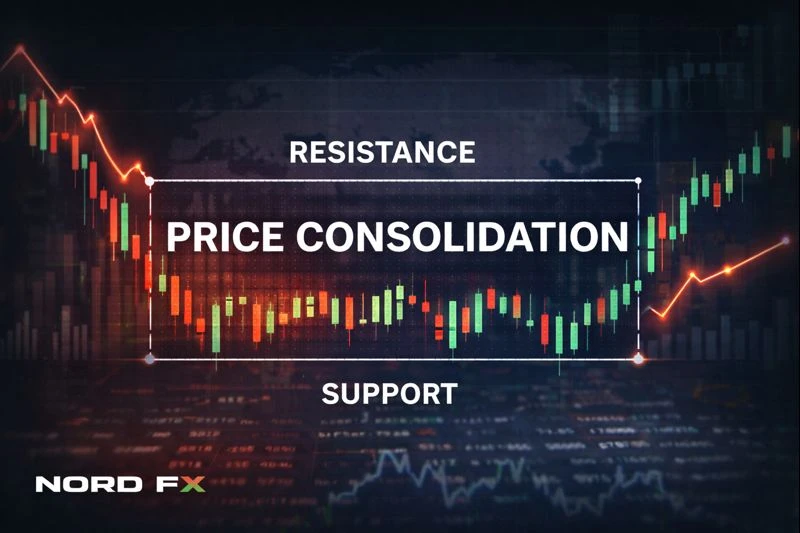
Sự hợp nhất giá là một giai đoạn thị trường được đặc trưng bởi chuyển động ngang và tiến triển hướng giảm sau một chuyển động trước đó (lên hoặc xuống), hoặc trong thời gian không chắc chắn khi các bên tham gia không đồng ý về giá trị hợp lý. Thay vì xu hướng, giá dao động giữa các ranh giới tương đối rõ ràng, thường được gọi là hỗ trợ và kháng cự.
Một cách đơn giản để nghĩ về nó là: trong một xu hướng, một bên chiếm ưu thế. Trong sự hợp nhất, sự chiếm ưu thế mờ dần và một sự cân bằng ngắn hạn phát triển. Thị trường vẫn hoạt động, nhưng kết quả ròng là một phạm vi nhỏ gọn.
Sự hợp nhất có thể xuất hiện dưới dạng một “hộp” ngang sạch sẽ, nhưng nó cũng xuất hiện dưới dạng các dao động ngày càng chặt chẽ hơn, nén hoặc nến chồng chéo. Đặc điểm chính là sự co lại của chuyển động so với giai đoạn trước. Đặc điểm chính là sự co lại của chuyển động so với giai đoạn trước, một khái niệm được thảo luận rộng rãi trong phân tích kỹ thuật cổ điển.
Tại sao sự hợp nhất xảy ra?
Nhiều lực lượng có thể khiến giá hợp nhất và chúng thường chồng chéo.
Chuyển động mạnh thu hút việc chốt lời. Các nhà giao dịch đã đi theo xu hướng đóng vị thế, giảm động lượng và tạo ra một dòng lệnh ngược. Đồng thời, những người tham gia muộn vẫn muốn tham gia nhưng do dự mua cao hoặc bán thấp. Điều đó tạo ra một thế bế tắc nơi cả hai bên giao dịch, nhưng không bên nào đẩy xa.
Thanh khoản cũng đóng một vai trò. Các bên tham gia lớn hơn thường cần thời gian và khối lượng để xây dựng hoặc giải phóng vị thế mà không di chuyển giá quá mạnh. Một phạm vi hẹp có thể hoạt động như một “bể thanh khoản” nơi các lệnh được khớp dễ dàng hơn.
Sự không chắc chắn là một động lực phổ biến khác. Thị trường hợp nhất trước các sự kiện lớn như quyết định của ngân hàng trung ương, công bố lạm phát, thu nhập hoặc tiêu đề địa chính trị. Các bên tham gia giảm tiếp xúc, biến động nén và giá trở thành phạm vi cho đến khi thông tin mới giải quyết kỳ vọng. Những động lực này phổ biến trên tất cả các thị trường tài chính, bao gồm forex, kim loại, chỉ số và tài sản tiền điện tử.
Sự hợp nhất, trong nhiều trường hợp, là cách thị trường nói: hướng trước đó không còn dễ dàng, và hướng tiếp theo chưa được đồng ý.
Các loại mô hình hợp nhất chính
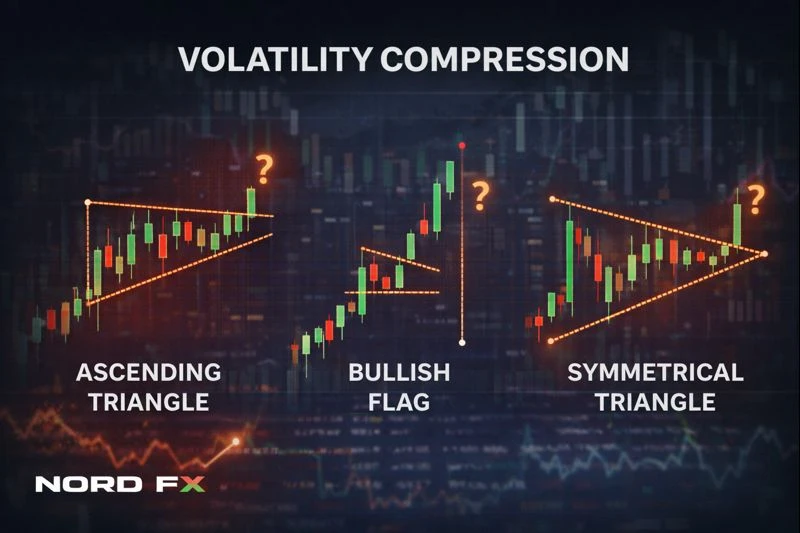
Sự hợp nhất là một hành vi, không phải là một hình dạng duy nhất. Tuy nhiên, các nhà giao dịch thường nhóm các cấu trúc phổ biến vì chúng phản ánh cách dòng lệnh được tổ chức.
Một phạm vi (hình chữ nhật) là hình thức cổ điển: giá bật giữa hỗ trợ và kháng cự khá ngang. Phạm vi có thể chặt chẽ hoặc rộng và có thể kéo dài từ vài phút đến vài tháng.
Một tam giác là một phạm vi thu hẹp theo thời gian. Các đáy cao hơn với các đỉnh thấp hơn tạo ra sự nén, cho thấy rằng người mua và người bán dần chấp nhận một vùng giá chặt chẽ hơn. Các đột phá từ tam giác có thể sắc nét vì thị trường đã “lưu trữ” năng lượng dưới dạng biến động giảm.
Một lá cờ hoặc cờ đuôi nheo là một sự hợp nhất ngắn theo sau một xung lực mạnh. Các lá cờ có xu hướng trôi nhẹ ngược lại hướng xung lực, trong khi cờ đuôi nheo giống như các tam giác nhỏ. Chúng thường xuất hiện trong các giai đoạn tiếp tục xu hướng, nhưng chúng không phải là thiết lập tiếp tục được đảm bảo.
Một nêm là một cấu trúc thu hẹp khác, thường nghiêng. Nêm có thể là mô hình tiếp tục hoặc đảo chiều tùy thuộc vào ngữ cảnh, tốc độ và nơi chúng xuất hiện so với xu hướng lớn hơn.
Các mô hình hữu ích như một cách viết tắt trực quan, nhưng trọng tâm thực tế nên vẫn là hai câu hỏi: nơi nào các nhà giao dịch liên tục bảo vệ giá, và nơi nào giá liên tục thất bại? Những khu vực đó xác định ranh giới hợp nhất.
Cách xác định sự hợp nhất trên biểu đồ
Dấu hiệu rõ ràng nhất là sự chồng chéo. Giá có xu hướng tạo ra tiến bộ với sự chồng chéo hạn chế giữa các nến. Giá hợp nhất có xu hướng tạo ra nhiều nến chồng chéo nhau, với sự từ chối lặp lại gần các đỉnh và đáy tương tự.
Một dấu hiệu khác là biến động co lại. Các chỉ báo như Phạm vi Thực Trung bình (ATR) thường giảm trong quá trình hợp nhất. Dải Bollinger thường thu hẹp khi biến động nén. Khi thị trường đang hợp nhất, khoảng cách di chuyển mỗi nến thu hẹp so với giai đoạn trước đó.
Cấu trúc cũng quan trọng. Sự hợp nhất thuyết phục hơn khi các ranh giới được kiểm tra nhiều lần mà không bị phá vỡ. Một lần chạm hiếm khi đủ. Hai lần chạm có thể vẫn là sự trùng hợp. Ba hoặc nhiều phản ứng ở các mức tương tự, đặc biệt với các bấc từ chối rõ ràng, thường chỉ ra rằng nhiều nhà giao dịch nhận ra những khu vực đó.
Sự liên kết khung thời gian cũng giúp ích. Một sự hợp nhất trên khung thời gian nhỏ có thể chỉ là nhiễu trong một xu hướng lớn hơn. Các sự hợp nhất có thể giao dịch nhất thường là những sự hợp nhất có thể nhìn thấy trên khung thời gian quyết định của nhà giao dịch và có ý nghĩa trong bối cảnh khung thời gian cao hơn.
Sự hợp nhất so với đảo chiều: làm thế nào để phân biệt
Sự hợp nhất là một sự tạm dừng; đảo chiều là một sự thay đổi hướng. Sự khác biệt không phải lúc nào cũng rõ ràng trong thời gian thực vì các đảo chiều thường bắt đầu dưới dạng sự hợp nhất.
Ngữ cảnh cung cấp manh mối. Sự hợp nhất hình thành sau một xu hướng mạnh có thể trở thành tiếp tục hoặc đảo chiều. Tiếp tục có xu hướng cho thấy các đợt thoái lui có kiểm soát, các đợt thoái lui tương đối nông và sự bảo vệ thường xuyên của ranh giới phía xu hướng (ví dụ, các đáy cao hơn trong một xu hướng tăng). Đảo chiều tiềm năng có xu hướng cho thấy các nỗ lực thất bại để tiếp tục xu hướng, sự từ chối mạnh gần cực điểm trước đó và sự thành công ngày càng tăng của phía đối lập trong việc đẩy giá qua phạm vi.
Diễn giải khối lượng có thể giúp ích, nhưng nó phụ thuộc vào công cụ. Nói chung, sự hợp nhất với sự tham gia giảm có thể ngụ ý một sự tạm dừng, trong khi sự hợp nhất với phản ứng mạnh tại các ranh giới có thể chỉ ra sự phân phối hoặc tích lũy. Tuy nhiên, khối lượng rõ ràng hơn ở một số thị trường hơn những thị trường khác, vì vậy nó nên được sử dụng cẩn thận thay vì được coi là sự thật phổ quát.
Thay vì cố gắng dự đoán “điều này phải đảo chiều”, một cách tiếp cận mạnh mẽ hơn là xác định ranh giới hợp nhất và chờ đợi bằng chứng: một sự phá vỡ được xác nhận và chấp nhận bên ngoài phạm vi, hoặc một sự thất bại rõ ràng và trở lại bên trong.
Các phương pháp giao dịch trong quá trình hợp nhất giá
Sự hợp nhất tạo ra hai phong cách cơ hội rộng lớn: giao dịch phạm vi và giao dịch đột phá. Mỗi cái có điểm mạnh và rủi ro, và lựa chọn tốt hơn thường phụ thuộc vào biến động, chế độ thị trường và tính khí của nhà giao dịch.
Giao dịch phạm vi: mua hỗ trợ và bán kháng cự
Giao dịch phạm vi nhằm mục đích kiếm lợi nhuận từ xu hướng thị trường quay trở lại trong một hộp được xác định. Logic rất đơn giản: nếu giá đã nhiều lần bật từ hỗ trợ và nhiều lần từ chối kháng cự, các giao dịch phù hợp với những phản ứng đó có thể có tỷ lệ rủi ro-lợi nhuận thuận lợi.
Khó khăn là phạm vi cuối cùng kết thúc. Một nhà giao dịch bán kháng cự “một lần nữa” có thể bị mắc kẹt khi đột phá cuối cùng xảy ra. Do đó, kiểm soát rủi ro là trung tâm. Dừng lỗ thường thuộc về bên ngoài ranh giới, không phải bên trong nó, vì toàn bộ ý tưởng về phạm vi thất bại khi giá thoát ra và giữ ngoài mức đó.
Giao dịch phạm vi cũng hoạt động tốt nhất khi biến động ổn định và các ranh giới được tôn trọng một cách rõ ràng. Sự hợp nhất lộn xộn, lộn xộn thường gây ra tín hiệu sai và có thể làm giảm kết quả thông qua các khoản lỗ nhỏ lặp đi lặp lại hoặc các cú giật.
Giao dịch đột phá: chờ đợi sự mở rộng sau khi nén
Giao dịch đột phá nhằm mục đích nắm bắt chuyển động hướng theo sau sự hợp nhất. Sự nén thường đi trước sự mở rộng vì biến động có xu hướng chu kỳ. Khi một thị trường ngừng di chuyển, nó không giữ bình tĩnh mãi mãi.
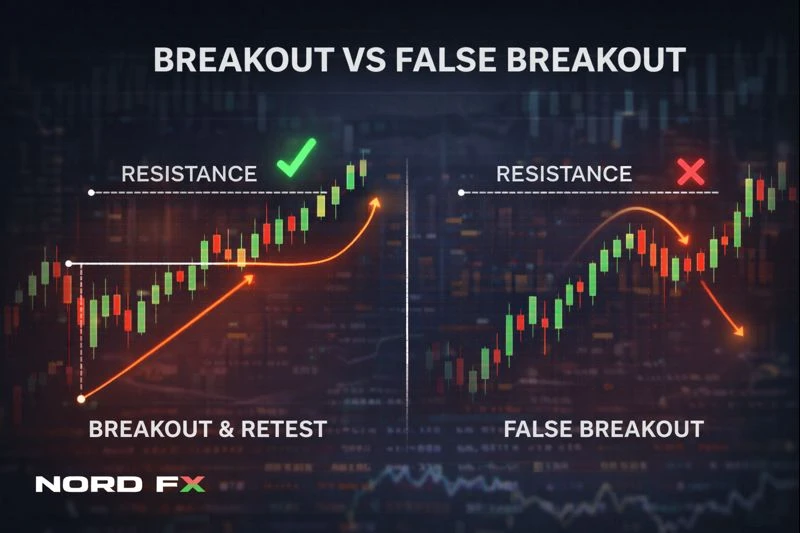
Thách thức chính là đột phá sai. Giá có thể chọc ra ngoài phạm vi, kích hoạt dừng lỗ và lệnh, sau đó quay trở lại bên trong. Nhiều đột phá thất bại vì chuyển động thiếu sự tiếp tục hoặc vì thanh khoản đã được thu hoạch.
Một cách mà các nhà giao dịch giảm rủi ro này là chờ đợi xác nhận, chẳng hạn như một nến đóng cửa ngoài phạm vi cộng với bằng chứng bổ sung rằng thị trường đang “chấp nhận” khu vực mới. Một cách tiếp cận khác là phương pháp đột phá-thử lại: giá đột phá, quay trở lại để kiểm tra ranh giới cũ (bây giờ là hỗ trợ hoặc kháng cự tiềm năng), sau đó tiếp tục hướng đột phá. Thử lại không phải lúc nào cũng xảy ra, nhưng khi chúng xảy ra, chúng có thể cung cấp vị trí rủi ro rõ ràng hơn.
Giao dịch đột phá cũng có lợi từ việc nhận ra khi nào sự hợp nhất có khả năng tạo ra một chuyển động mạnh. Các phạm vi chặt chẽ theo sau các xung lực mạnh, các ranh giới nhiều lần chạm và các sự nén dài trên các khung thời gian cao hơn có thể tăng khả năng chuyển động tiếp theo có ý nghĩa.
Một cách tiếp cận cân bằng: giao dịch ít hơn bên trong, lập kế hoạch nhiều hơn xung quanh các cạnh
Nhiều nhà giao dịch có kinh nghiệm không cố gắng giao dịch mọi sự dao động bên trong sự hợp nhất. Họ tập trung vào các ranh giới, giảm kích thước vị thế hoặc đơn giản là chờ đợi. Sự hợp nhất có thể là một khu vực “không giao dịch” cho đến khi giá cung cấp một lợi thế rõ ràng hơn.
Kiên nhẫn là một chiến lược. Tránh các điều kiện chất lượng thấp thường có giá trị như tìm kiếm các điểm vào.
Các chỉ báo giúp xác nhận sự hợp nhất
Các chỉ báo hữu ích nhất khi chúng củng cố những gì biểu đồ đã hiển thị.
ATR (Phạm vi Thực Trung bình) là một công cụ thực tế để đo lường sự co lại. ATR giảm cho thấy chuyển động giảm, điều này là điển hình trong sự hợp nhất. Các nhà giao dịch thường sử dụng ATR để đặt dừng lỗ và mục tiêu thực tế so với điều kiện hiện tại.
Dải Bollinger có thể làm nổi bật sự nén biến động. Các dải hẹp thường trùng với sự hợp nhất. Sự mở rộng dải sau đó có thể đi kèm với một đột phá, mặc dù nó không đảm bảo hướng.
Đường trung bình động có thể tiết lộ khi thị trường đã mất cấu trúc xu hướng. Trong quá trình hợp nhất, các đường trung bình động có xu hướng phẳng và giá cắt qua chúng nhiều lần. Hiệu ứng “rối” đó thường báo hiệu rằng các điểm vào theo xu hướng có thể có kỳ vọng thấp hơn cho đến khi cấu trúc trở lại.
Lập bản đồ hỗ trợ và kháng cự vẫn là “chỉ báo” trực tiếp nhất trong tất cả. Nếu nhiều lần từ chối xảy ra ở các mức tương tự, những mức đó quan trọng, bất kể các bộ dao động nói gì.
Quản lý rủi ro cho các giao dịch hợp nhất
Sự hợp nhất có thể cám dỗ các nhà giao dịch vào việc giao dịch quá mức vì giá dường như cung cấp cơ hội thường xuyên. Thị trường có thể di chuyển qua lại đủ để kích hoạt các điểm vào nhưng không đủ để trả cho chúng. Đó là lý do tại sao quản lý rủi ro nên thắt chặt, không nới lỏng, trong điều kiện phạm vi.
Kích thước vị thế nên phản ánh môi trường. Kích thước nhỏ hơn có thể giúp hấp thụ sự ngẫu nhiên bên trong một phạm vi.
Dừng lỗ nên tôn trọng logic của thiết lập. Các giao dịch phạm vi thường thất bại khi giá phá vỡ và giữ ngoài một ranh giới. Các giao dịch đột phá thường thất bại khi giá quay trở lại và chấp nhận bên trong phạm vi.
Mục tiêu nên phù hợp với chuyển động thực tế. Nếu chiều cao phạm vi nhỏ, mong đợi một khoản thanh toán lớn như xu hướng bên trong nó hiếm khi được biện minh. Ngược lại, khi giao dịch đột phá, nó giúp nghĩ về chiều cao phạm vi như một động thái đo lường tiềm năng, trong khi vẫn linh hoạt vì thị trường không di chuyển theo hình học hoàn hảo.
Quan trọng nhất, một nhà giao dịch nên biết trước khi vào điều gì sẽ chứng minh ý tưởng sai. Sự hợp nhất trừng phạt suy nghĩ mơ hồ.
Những sai lầm phổ biến mà các nhà giao dịch mắc phải với sự hợp nhất
Nhiều khoản lỗ đến từ việc đối xử với sự hợp nhất như một xu hướng. Các kỹ thuật theo xu hướng thường tạo ra các cú giật khi giá liên tục vượt qua các mức mà không có sự tiếp tục.
Một lỗi phổ biến khác là bỏ qua bối cảnh khung thời gian cao hơn. Một phạm vi nhỏ chống lại một xu hướng khung thời gian cao hơn mạnh có thể phá vỡ mạnh theo hướng xu hướng. Một phạm vi ở một mức độ lớn nhiều tháng có thể biến thành một khu vực phân phối và đảo chiều. Cùng một hình dạng có thể hành xử khác nhau tùy thuộc vào nơi nó hình thành.
Đuổi theo đột phá đầu tiên là một cái bẫy cổ điển khác. Một đột phá duy nhất vượt qua một ranh giới không phải lúc nào cũng là một sự phá vỡ thực sự. Chờ đợi một sự đóng cửa, một thử lại hoặc sự chấp nhận rõ ràng thường cải thiện chất lượng, ngay cả khi điều đó có nghĩa là bỏ lỡ một số chuyển động.
Cuối cùng, các nhà giao dịch đôi khi quên rằng sự hợp nhất không phải là một lời hứa về một đột phá lớn. Biến động có thể nén và sau đó mở rộng chỉ một cách khiêm tốn, hoặc giá có thể trôi vào một phạm vi mới. Kỳ vọng nên vẫn là xác suất, không phải tuyệt đối.
Kết luận
Sự hợp nhất giá là một giai đoạn thị trường cơ bản kết nối các xu hướng, đảo chiều và sự mở rộng biến động. Nó phản ánh sự cân bằng và không chắc chắn hơn là không hoạt động.
Bằng cách học cách nhận ra sự hợp nhất, lập bản đồ ranh giới của nó và chọn các chiến lược phù hợp – cho dù điều đó có nghĩa là giao dịch phạm vi có kỷ luật, lập kế hoạch đột phá kiên nhẫn hay đứng ngoài – các nhà giao dịch có thể cải thiện cấu trúc, giảm rủi ro không cần thiết và đưa ra quyết định thông minh hơn trên một loạt các công cụ giao dịch.
Sự hợp nhất không phải là sự vắng mặt của cơ hội. Đó là thị trường chuẩn bị cho những gì sẽ đến tiếp theo.
Quay lại Quay lại