Đường trung bình động là một trong những công cụ được sử dụng rộng rãi nhất trong phân tích kỹ thuật, và sự phổ biến của chúng rất dễ giải thích. Chúng giúp các nhà giao dịch giảm nhiễu thị giác, xác định xu hướng và mang lại cấu trúc cho các quyết định mà nếu không có thể bị chi phối bởi cảm xúc. Đường trung bình động không "dự đoán" giá. Chúng tóm tắt những gì giá đã làm, làm mượt các dao động ngắn hạn để bạn có thể đánh giá xu hướng, động lượng và chất lượng của một động thái rõ ràng hơn.
Điều này quan trọng vì thị trường dành nhiều thời gian không làm gì kịch tính, sau đó di chuyển nhanh chóng khi điều kiện thay đổi. Trong những chuyển đổi đó, các nhà giao dịch thường phản ứng quá mức. Một đường trung bình động có thể giữ bạn gắn bó với bức tranh lớn hơn, miễn là bạn hiểu nó đo lường gì và không thể làm gì. Sử dụng đúng cách, nó trở thành một khung cho việc theo dõi xu hướng, nhập lệnh khi giá điều chỉnh và quản lý giao dịch. Sử dụng cẩu thả, nó trở thành một cỗ máy cho các lệnh nhập muộn và các cú sốc.

Đường trung bình động thực sự đo lường gì
Đường trung bình động là một phép tính lăn của giá trung bình trong một số kỳ được chọn. Mỗi khi một cây nến mới đóng cửa, chỉ báo sẽ tính toán lại: điểm dữ liệu mới nhất được thêm vào và điểm cũ nhất bị loại bỏ. Cửa sổ lăn đó "di chuyển" về phía trước, tạo ra một đường mượt mà phản ứng chậm hơn so với giá thực tế.
Độ trễ này không phải là một khiếm khuyết. Đó là lý do tại sao đường trung bình động tồn tại. Giá là tín hiệu thô; một đường trung bình động là phiên bản lọc của tín hiệu đó. Lọc giảm nhiễu nhưng giới thiệu độ trễ. Đó là lý do tại sao đường trung bình động thường được gọi là chỉ báo trễ: chúng xác nhận những gì đã bắt đầu thay vì dự đoán những gì sắp xảy ra.
Ý nghĩa thực tế rất đơn giản. Đường trung bình động có xu hướng hoạt động tốt nhất khi thị trường có xu hướng và có xu hướng gây thất vọng khi thị trường đi ngang. Nếu bạn cố gắng ép chúng vào điều kiện đi ngang, bạn sẽ thường thấy giá cắt qua đường nhiều lần và tạo ra sự tự tin sai lầm.
SMA vs EMA: sự khác biệt quan trọng trong thực tế
Hai loại phổ biến nhất là Đường Trung Bình Đơn Giản (SMA) và Đường Trung Bình Lũy Thừa (EMA). Cả hai đều làm mượt giá; chúng chỉ làm điều đó khác nhau.
Đường Trung Bình Đơn Giản (SMA) cho trọng số bằng nhau cho mỗi kỳ trong cửa sổ nhìn lại. Một SMA 50 kỳ coi cây nến gần nhất và cây nến từ 49 kỳ trước là quan trọng như nhau. Điều này thường tạo ra một đường mượt mà hơn, mà nhiều nhà giao dịch thích để xác định cấu trúc tổng thể.
Đường Trung Bình Lũy Thừa (EMA) cho trọng số nặng hơn cho giá gần đây, vì vậy nó phản ứng nhanh hơn với thay đổi động lượng. Trong các thị trường nhanh, một EMA có xu hướng theo dõi giá chặt chẽ hơn. Sự nhạy bén đó có thể cải thiện thời gian, nhưng nó cũng có thể tăng các cú sốc trong điều kiện lộn xộn vì đường phản ứng nhanh hơn với các dao động ngắn hạn.
Một cách hữu ích để nghĩ về nó là SMA thường hoạt động tốt hơn cho cấu trúc, EMA thường hoạt động tốt hơn cho thời gian. Nhiều nhà giao dịch kết hợp chúng, sử dụng một đường trung bình chậm hơn để xác định hướng xu hướng và một đường nhanh hơn để giúp nhập lệnh.
Chọn kỳ và khung thời gian mà không suy nghĩ quá nhiều
Một kỳ đường trung bình động không phải là một con số ma thuật. Nó là một ống kính. Cài đặt đúng phụ thuộc vào những gì bạn đang cố gắng nắm bắt và bạn dự định giữ giao dịch trong bao lâu.
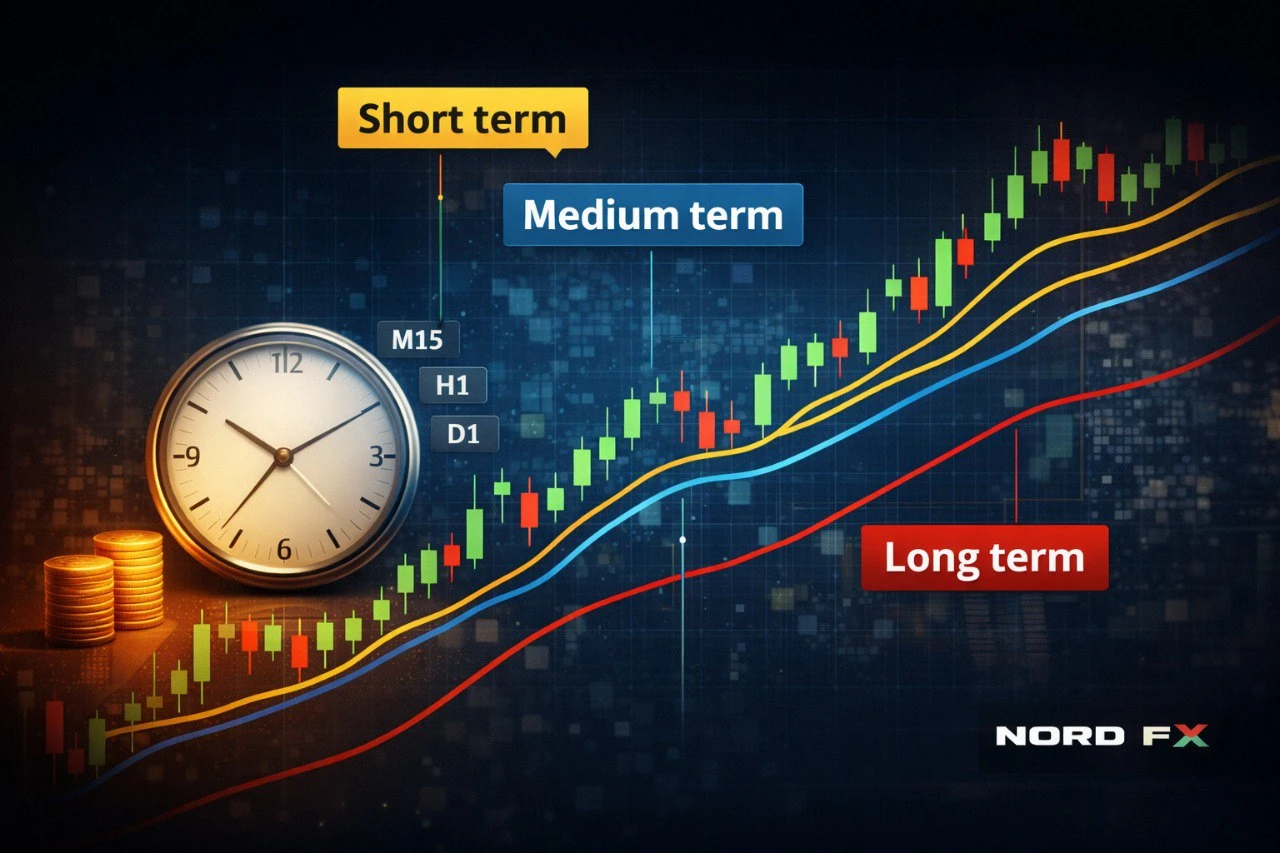
Các kỳ ngắn như 10, 20 hoặc 21 phản ứng nhanh và làm nổi bật động lượng ngắn hạn. Chúng có thể hữu ích cho các nhà giao dịch tích cực, nhưng chúng dễ bị tín hiệu sai trong điều kiện đi ngang. Các kỳ trung bình như 50 hoặc 100 thường được sử dụng làm tham chiếu xu hướng trên các khung thời gian trong ngày và xoay vòng. Các kỳ dài hơn như 200 được sử dụng để đánh giá xu hướng thị trường rộng hơn và có thể đóng vai trò là điểm tham chiếu được theo dõi rộng rãi, đặc biệt trên các biểu đồ hàng ngày.
Thay đổi khung thời gian thay đổi mọi thứ. Một đường trung bình động 50 kỳ trên M15 đang mô tả vài giờ hoạt động; một đường trung bình động 50 kỳ trên biểu đồ hàng ngày đang mô tả khoảng mười tuần giao dịch. Nếu chiến lược của bạn dựa trên xoay vòng, một đường trung bình động trên biểu đồ hàng ngày hoặc H4 thường cung cấp một nền tảng ổn định hơn so với một đường trên các khung thời gian rất thấp.
Mục tiêu không phải là tìm đường trung bình động "hoàn hảo". Mục tiêu là tìm một phương pháp có thể lặp lại phù hợp với khung thời gian của bạn và duy trì nhất quán trong các điều kiện thị trường.
Ba cách cốt lõi mà các nhà giao dịch sử dụng đường trung bình động
Đường trung bình động rất linh hoạt vì chúng có thể đóng vai trò khác nhau tùy thuộc vào quy tắc bạn gắn vào chúng.
Bộ lọc xu hướng. Đây là cách sử dụng đơn giản nhất và thường hiệu quả nhất. Khi giá giữ trên một đường trung bình động tăng, điều kiện thường là tăng; khi giá giữ dưới một đường trung bình động giảm, điều kiện thường là giảm. Độ dốc quan trọng. Một đường trung bình động phẳng thường chỉ ra sự hợp nhất hơn là xu hướng.
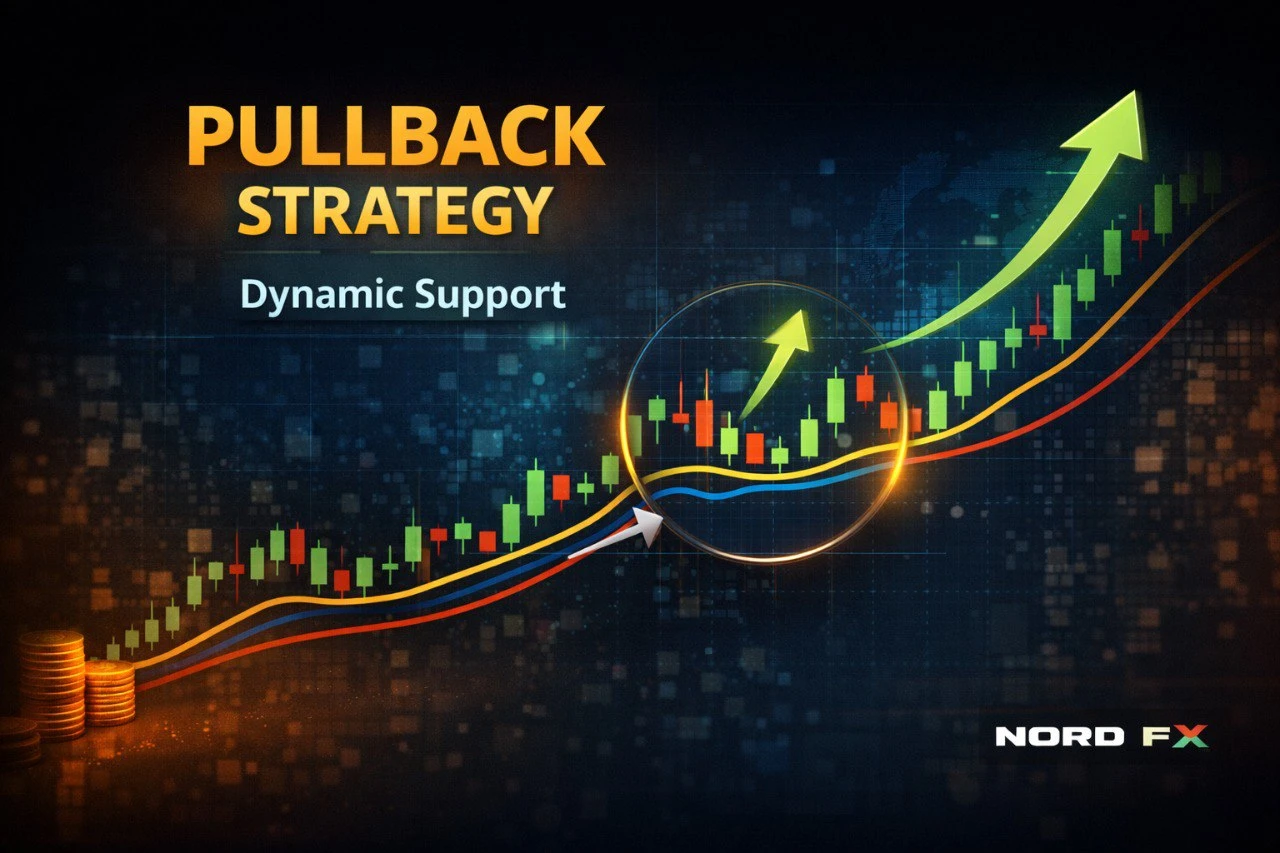
Hỗ trợ và kháng cự động. Trong các xu hướng rõ ràng, giá thường điều chỉnh về phía một đường trung bình động và sau đó tiếp tục theo hướng ban đầu. Các nhà giao dịch coi khu vực đường trung bình động là một vùng mà cầu hoặc cung có thể quay trở lại. Điều này có xu hướng hoạt động tốt nhất khi xu hướng mạnh và có trật tự. Trong điều kiện lộn xộn, giá cắt qua đường nhiều lần và khái niệm này bị phá vỡ.
Sức khỏe và động lượng xu hướng. Độ dốc của đường trung bình động và khoảng cách giữa giá và đường có thể cung cấp manh mối về sức mạnh xu hướng. Một độ dốc dốc với giá giữ trên đường trung bình có thể báo hiệu động lượng mạnh; một độ dốc phẳng sau một đợt dài có thể gợi ý rằng xu hướng đang mất năng lượng và có thể chuyển sang một phạm vi.
Giao cắt: phổ biến, đơn giản và thường bị hiểu lầm
Giao cắt đường trung bình động là một phương pháp cổ điển. Nó sử dụng một đường trung bình động nhanh hơn và một đường trung bình động chậm hơn. Khi đường nhanh cắt lên trên đường chậm, nó được coi là tăng; khi nó cắt xuống dưới, giảm.
Giao cắt có thể hoạt động trong các xu hướng kéo dài, nhưng chúng nổi tiếng vì tạo ra tín hiệu sai trong các thị trường đi ngang. Khi giá dao động qua lại, các đường trung bình "rối" và cắt nhau nhiều lần. Các nhà giao dịch sau đó cảm thấy như thể chỉ báo đang thất bại, khi vấn đề thực sự là chế độ thị trường không phù hợp với công cụ theo dõi xu hướng.
Giao cắt trở nên hữu ích hơn khi bạn thêm ngữ cảnh. Nhiều nhà giao dịch lọc tín hiệu giao cắt bằng cách yêu cầu đường trung bình động chậm hơn phải rõ ràng dốc theo hướng giao dịch. Những người khác kiểm tra cấu trúc khung thời gian cao hơn trước, để họ không thực hiện một giao cắt mới trực tiếp vào một khu vực hỗ trợ hoặc kháng cự lớn.
Một cách tiếp cận thực tế với đường trung bình động
Điều chỉnh thường mạnh mẽ hơn giao cắt vì chúng nhằm mục đích nhập lệnh với xu hướng sau một đợt điều chỉnh hơn là đuổi theo một tín hiệu muộn.
Một khung điều chỉnh đường trung bình động điển hình có ba phần. Đầu tiên, xác định hướng xu hướng bằng cách sử dụng một đường trung bình động chậm hơn và cấu trúc xoay tổng thể. Thứ hai, chờ giá điều chỉnh về phía khu vực đường trung bình động mà không phá vỡ xu hướng rộng hơn. Thứ ba, tìm kiếm bằng chứng rằng giá đang tiếp tục hướng chính, chẳng hạn như sự từ chối rõ ràng của khu vực điều chỉnh hoặc phá vỡ một điểm xoay nhỏ.
Điều quan trọng là coi một đường trung bình động như một vùng, không phải là một mức độ mỏng như dao cạo. Thị trường không chính xác. Giá có thể tạm thời giảm qua một đường trung bình động và vẫn đang có xu hướng, đặc biệt trong các công cụ biến động. Câu hỏi là liệu sự điều chỉnh có thay đổi cấu trúc và liệu động lượng có quay trở lại theo hướng xu hướng hay không.
Đường trung bình động và quản lý rủi ro
Đường trung bình động có thể hỗ trợ quản lý giao dịch, nhưng chúng không bao giờ nên thay thế các quy tắc rủi ro đúng đắn. Một số nhà giao dịch đặt một điểm dừng ngoài khu vực đường trung bình động trên các lệnh nhập điều chỉnh, lý luận rằng nếu giá phá vỡ quyết định và giữ ở phía bên kia, điều kiện xu hướng đã yếu đi. Điều này có thể có ý nghĩa, nhưng chỉ khi điểm dừng cũng tôn trọng cấu trúc thị trường và biến động điển hình.
Đây là nơi các yếu tố thực thi quan trọng. Chênh lệch, thực thi thị trường và ký quỹ có thể ảnh hưởng đến cách các giao dịch hoạt động, đặc biệt xung quanh các động thái nhanh. Nếu bạn muốn một sự làm mới vững chắc về các cơ chế này, đáng để đọc hướng dẫn của NordFX về cách giao dịch hoạt động, bao gồm cách định giá và thực thi hoạt động trong thực tế.
Kích thước vị trí vẫn là phần quan trọng nhất của quản lý rủi ro. Ngay cả một thiết lập đường trung bình động tốt cũng có thể thất bại. Các quy tắc rủi ro đảm bảo rằng một thiết lập thất bại là một tổn thất có kiểm soát, không phải là một sự kiện gây tổn hại.
Tại sao đường trung bình động "thất bại" đối với nhiều nhà giao dịch
Đường trung bình động thường bị đổ lỗi cho các vấn đề do ứng dụng không nhất quán gây ra. Một vấn đề phổ biến là tối ưu hóa quá mức, nơi các nhà giao dịch điều chỉnh các kỳ cho đến khi hiệu suất quá khứ trông hoàn hảo. Loại điều chỉnh đó thường sụp đổ trong các thị trường trực tiếp vì nó phù hợp với nhiễu lịch sử hơn là hành vi bền vững.
Một vấn đề khác là bỏ qua chế độ thị trường. Đường trung bình động phát triển mạnh trong các xu hướng và chịu đựng trong các phạm vi. Nếu bạn lấy mọi tín hiệu bất kể điều kiện, bạn sẽ trải qua các cú sốc lặp đi lặp lại như một chi phí bình thường của việc kinh doanh. Một bộ lọc chế độ đơn giản, thậm chí là một cái gì đó cơ bản như yêu cầu đường trung bình động có một độ dốc rõ ràng, có thể cải thiện chất lượng quyết định.
Cuối cùng, nhiều nhà giao dịch chỉ sử dụng một khung thời gian. Một thiết lập trông hấp dẫn trên M15 có thể đang giao dịch trực tiếp vào một khu vực kháng cự hàng ngày. Chỉ báo không đánh lừa bạn; ngữ cảnh bị thiếu đã làm.
Áp dụng đường trung bình động trên MT4/MT5 với quy trình làm việc sạch sẽ
Hầu hết các nhà giao dịch áp dụng đường trung bình động trực tiếp trên các biểu đồ nền tảng. Các cơ chế rất đơn giản, nhưng quy trình làm việc quan trọng. Bạn muốn một bố cục biểu đồ vẫn dễ đọc và hỗ trợ các quyết định có thể lặp lại. Quá tải biểu đồ với quá nhiều đường trung bình thường tạo ra sự nhầm lẫn và khuyến khích diễn giải chủ quan.
Nếu bạn giao dịch trên MetaTrader, bạn có thể xây dựng một bố cục đơn giản và hiệu quả bằng cách sử dụng trang nền tảng giao dịch của NordFX làm điểm khởi đầu cho quyền truy cập và tính năng nền tảng, sau đó giữ mẫu biểu đồ của bạn nhất quán trên các công cụ.
Một cách tiếp cận thực tế là xác định xu hướng với một đường trung bình động dài hơn và sử dụng một đường ngắn hơn cho thời gian, trong khi giữ phần còn lại của biểu đồ không bị lộn xộn để hành động giá vẫn là trọng tâm chính.
Đường trung bình động trên forex, chỉ số, kim loại và tiền điện tử
Logic của đường trung bình động áp dụng trên các thị trường vì nó dựa trên hành vi giá, không phải trên tài sản cơ bản. Tuy nhiên, các công cụ khác nhau có các hồ sơ biến động khác nhau và giờ giao dịch khác nhau, điều này thay đổi cách các khu vực đường trung bình động hoạt động.
Các cặp tiền tệ chính thường xen kẽ giữa các giai đoạn có xu hướng và các giai đoạn hợp nhất dài, điều này làm cho nhận thức về chế độ trở nên cần thiết. Các chỉ số có thể có xu hướng mượt mà nhưng phản ứng mạnh mẽ xung quanh các sự kiện vĩ mô lớn. Kim loại có thể vượt quá đường trung bình động trong các đợt bùng nổ do rủi ro. Tiền điện tử giao dịch liên tục và có thể di chuyển nhanh, thường tạo ra các đợt điều chỉnh sâu hơn và các đảo chiều sắc nét hơn, vì vậy đường trung bình động nên được coi là các vùng linh hoạt hơn là các kích hoạt chính xác.
Dù là công cụ nào, nguyên tắc tương tự vẫn giữ. Đường trung bình động cung cấp cấu trúc. Lợi thế của bạn đến từ ngữ cảnh, quản lý rủi ro và thực thi nhất quán.
Kết luận: giá trị thực tế của đường trung bình động
Đường trung bình động không phải là lối tắt. Chúng là công cụ để làm rõ. Chúng có thể giúp bạn xác định hướng xu hướng, tránh phản ứng quá mức cảm xúc với nhiễu, và xây dựng một khung có thể lặp lại cho các lệnh nhập và quản lý giao dịch. Chúng không thể bảo vệ bạn khỏi kỷ luật rủi ro kém hoặc khỏi giao dịch trong chế độ thị trường sai.
Nếu bạn muốn thực hành các phương pháp đường trung bình động, loại tài khoản và điều kiện giao dịch quan trọng, đặc biệt là chênh lệch và thực thi. Bạn có thể xem lại các tùy chọn của NordFX trên trang tài khoản giao dịch, sau đó chọn một thiết lập phù hợp với chiến lược và khung thời gian của bạn.
Khi bạn sẵn sàng áp dụng các khái niệm này trong thực tế, bạn có thể bắt đầu qua trang đăng ký NordFX và xây dựng một quy trình làm việc nhất quán xung quanh một tập hợp nhỏ các quy tắc thay vì theo đuổi các cài đặt chỉ báo hoàn hảo.
Tuyên bố miễn trừ trách nhiệm: Tài liệu này chỉ mang tính chất thông tin và không cấu thành lời khuyên đầu tư. Giao dịch trên thị trường tài chính có rủi ro và có thể dẫn đến mất vốn.
Go Back Go Back