$৫০ বা $১০০ দিয়ে ট্রেডিং সাধারণত উল্লেখযোগ্য আয়ের পরিবর্তে অনুশীলন, ব্রোকার পরীক্ষা বা লাইভ-মার্কেট মনস্তত্ত্ব শেখার জন্য সবচেয়ে ভালো। সবচেয়ে গুরুত্বপূর্ণ বিষয় হলো লট সাইজ। ছোট পজিশন অ্যাকাউন্ট উড়িয়ে দেওয়ার সম্ভাবনা কমায়, অন্যদিকে গোল্ড, তেল বা ক্রিপ্টোর মতো অস্থির ইনস্ট্রুমেন্টে আক্রমণাত্মক ভলিউম খুব দ্রুত ছোট ব্যালেন্স ধ্বংস করতে পারে।
$৫০ বা $১০০ দিয়ে ট্রেডিং শুরু করা সম্ভব, তবে বেশিরভাগ ক্ষেত্রে এটি গুরুত্বপূর্ণ দীর্ঘমেয়াদী আয়ের জন্য যথেষ্ট নয়। ছোট ডিপোজিট সাধারণত লাইভ-মার্কেট পরিস্থিতি পরীক্ষা করা, মনস্তত্ত্ব অনুশীলন করা, ঝুঁকি ব্যবস্থাপনা শেখা, অথবা ডেমো ট্রেডিং থেকে বাস্তব ট্রেডিংয়ে রূপান্তরের জন্য বেশি উপযুক্ত। শিক্ষানবিশরা ছোট অ্যাকাউন্ট উড়িয়ে দেওয়ার সবচেয়ে বড় কারণ খারাপ বাজার বিশ্লেষণ নয় — এটি অতিরিক্ত বড় লট সাইজ এবং অবাস্তব প্রত্যাশা। একটি ছোট অ্যাকাউন্ট অস্থিরতা সহ্য করতে পারে। একটি অতিরিক্ত বড় পজিশন সাধারণত পারে না।
ট্রেডিং শুরু করার জন্য $৫০ বা $১০০ কি যথেষ্ট?
হ্যাঁ, প্রযুক্তিগতভাবে এটি ট্রেডিং শুরু করার জন্য যথেষ্ট।
তবে ট্রেডারদের প্রথমে তাদের প্রকৃত লক্ষ্য নির্ধারণ করতে হবে।
নিম্নলিখিত বিষয়গুলোর মধ্যে একটি বড় পার্থক্য রয়েছে:
- ট্রেডিং শেখা
- কৌশল পরীক্ষা করা
- মনস্তত্ত্ব অনুশীলন করা
- গুরুত্বপূর্ণ আয় তৈরি করার চেষ্টা করা
এখানেই অনেক শিক্ষানবিশ ছোট অ্যাকাউন্ট সম্পর্কে ভুল বোঝেন।
যদি লক্ষ্য শিক্ষা হয়, তাহলে একটি ডেমো অ্যাকাউন্ট সাধারণত সবচেয়ে ভালো শুরুর পয়েন্ট।
যদি লক্ষ্য বাস্তব-বাজারের আবেগ বা এক্সিকিউশন পরিস্থিতি পরীক্ষা করা হয়, তাহলে $৫০ বা $১০০ যুক্তিসঙ্গত হতে পারে।
তবে যদি লক্ষ্য অর্থবহ দীর্ঘমেয়াদী আয় তৈরি করা হয়, তাহলে সাধারণত বড় মূলধনের প্রয়োজন হয়, কারণ নিরাপদ ঝুঁকি ব্যবস্থাপনা স্বাভাবিকভাবেই খুব ছোট ব্যালেন্সে মুনাফার সম্ভাবনা সীমিত করে দেয়।
$৫০ বা $১০০ দিয়ে ট্রেডিং কখন প্রকৃতপক্ষে যুক্তিসঙ্গত?
ছোট অ্যাকাউন্ট সাধারণত চারটি পরিস্থিতিতে কার্যকর হয়।
ডেমো থেকে লাইভ ট্রেডিং-এ রূপান্তর
অনেক ট্রেডার ডেমো অ্যাকাউন্টে ভালো পারফর্ম করেন, কিন্তু আসল অর্থ জড়িত হলে আবেগপ্রবণ হয়ে পড়েন।
একটি ছোট লাইভ অ্যাকাউন্ট ট্রেডারদের সাহায্য করতে পারে:
- ভয় ও লোভ অনুভব করতে
- আবেগগত চাপ বুঝতে
- শৃঙ্খলা শিখতে
- বাস্তব অস্থিরতার সাথে খাপ খাইয়ে নিতে
তাৎক্ষণিকভাবে বড় মূলধন ঝুঁকিতে না ফেলে।
ব্রোকার পরীক্ষা করা
কিছু ট্রেডার ইচ্ছাকৃতভাবে ছোট ডিপোজিট দিয়ে শুরু করেন নিম্নলিখিত বিষয়গুলো পরীক্ষা করার জন্য:
- উত্তোলন
- স্প্রেড
- এক্সিকিউশন
- প্ল্যাটফর্মের স্থিতিশীলতা
- অর্ডার প্রক্রিয়াকরণ
বড় অঙ্কের অর্থ প্রতিশ্রুতিবদ্ধ করার আগে।
NordFX অফার করে:
তবে, ন্যূনতম ডিপোজিটের অর্থ প্রস্তাবিত ট্রেডিং মূলধন নয়। এটি শুধুমাত্র অ্যাকাউন্ট টাইপ খুলতে এবং ব্যবহার করতে প্রয়োজনীয় ন্যূনতম পরিমাণ নির্দেশ করে।
বাস্তব পরিস্থিতিতে কৌশল পরীক্ষা করা
কৌশলগুলো প্রায়ই ডেমো ট্রেডিংয়ের তুলনায় লাইভ মার্কেটে ভিন্নভাবে কাজ করে।
একটি ছোট বাস্তব-অর্থের অ্যাকাউন্ট ট্রেডারদের নিম্নলিখিত বিষয়গুলো মূল্যায়ন করতে সাহায্য করতে পারে:
- স্লিপেজ
- আবেগগত প্রতিক্রিয়া
- রাতারাতি হোল্ডিং চাপ
- স্প্রেডের আচরণ
- অস্থিরতার সময় এক্সিকিউশন
ঝুঁকি ব্যবস্থাপনা শেখা
ছোট অ্যাকাউন্ট ট্রেডারদের পজিশন সাইজিংকে গুরুত্ব দিতে বাধ্য করে, কারণ ভুলের জন্য খুব সামান্য জায়গা থাকে।
অনেক ক্ষেত্রে, এটি তাৎক্ষণিকভাবে বড় অঙ্কের ট্রেডিং করার চেয়ে দ্রুত শৃঙ্খলা উন্নত করে।
কেন শিক্ষানবিশরা এত দ্রুত ছোট অ্যাকাউন্ট উড়িয়ে দেন?
ছোট অ্যাকাউন্ট সাধারণত ব্যর্থ হয় কারণ ট্রেডাররা খুব দ্রুত বড় মুনাফা করার চেষ্টা করেন।
সাধারণ চক্রটি এরকম দেখায়:
- ট্রেডার $৫০ বা $১০০ ডিপোজিট করেন।
- মুনাফার প্রত্যাশা অবাস্তব হয়ে ওঠে।
- লট সাইজ অতিরিক্ত বড় হয়ে যায়।
- একটি অস্থির মুভমেন্ট ভারী ক্ষতি তৈরি করে।
- আবেগপ্রবণ ট্রেডিং শুরু হয়।
- অ্যাকাউন্টটি অবশেষে ধ্বংস হয়ে যায়।
বাজার সাধারণত খারাপ বিশ্লেষণের মাধ্যমে নয়, বরং অতিরিক্ত বড় ভলিউমের মাধ্যমে ছোট অ্যাকাউন্ট ধ্বংস করে।
এটি বিশেষভাবে বিপজ্জনক:
- গোল্ড
- তেল
- ক্রিপ্টো সিএফডি
কারণ অস্থিরতা অত্যন্ত দ্রুত ক্ষতি বাড়িয়ে দিতে পারে।
একটি ছোট অ্যাকাউন্টের জন্য একক সবচেয়ে গুরুত্বপূর্ণ বিষয় কী?
সবচেয়ে গুরুত্বপূর্ণ বিষয়টি হলো লট সাইজ।
বাজার নড়াচড়া করলে কত টাকা লাভ বা ক্ষতি হবে তা লট সাইজ নির্ধারণ করে।
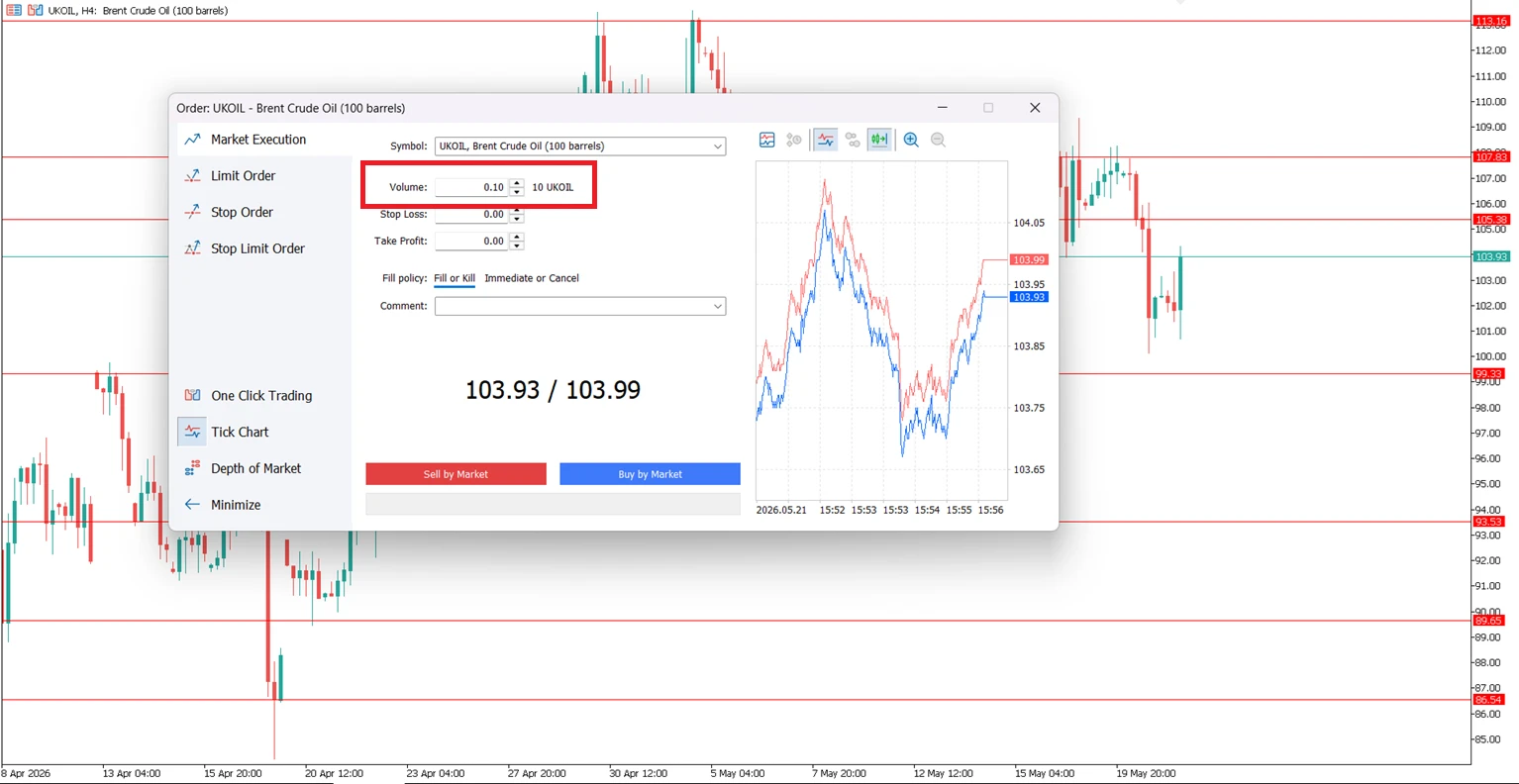
ছোট ব্যালেন্স ব্যবহারকারী শিক্ষানবিশদের জন্য, ন্যূনতম ভলিউম সাধারণত অত্যন্ত গুরুত্বপূর্ণ।
অনেক ক্ষেত্রে:
- ০.০১ লট সাইজ = নিয়ন্ত্রণযোগ্য এক্সপোজার
- বড় পজিশন = নাটকীয়ভাবে বেশি ঝুঁকি
এই কারণেই অনেক অভিজ্ঞ ট্রেডার বলেন: “টিকে থাকাই প্রথম। মুনাফা দ্বিতীয়।”
একটু বড় পজিশন কেন বিপজ্জনক হয়ে উঠতে পারে?
অনেক শিক্ষানবিশ অবমূল্যায়ন করেন যে পজিশন সাইজ অ্যাকাউন্টের এক্সপোজার কতটা শক্তিশালীভাবে পরিবর্তন করে।
ভলিউমের এমনকি সামান্য বৃদ্ধিও ঝুঁকি ব্যাপকভাবে বাড়িয়ে দিতে পারে।
উদাহরণস্বরূপ:
- একজন ট্রেডার রক্ষণশীল ভলিউমে তেলের পজিশন খোলেন
- শুরুতে মুনাফা স্থিতিশীল মনে হয়
- পজিশন সাইজ সামান্য বাড়ানো হয়
- অস্থিরতা হঠাৎ প্রত্যাশার চেয়ে অনেক দ্রুত ক্ষতি বাড়িয়ে দেয়
তেল, গোল্ড এবং ক্রিপ্টো কয়েক মিনিটের মধ্যে আক্রমণাত্মকভাবে নড়াচড়া করতে পারে।
০.০১ লটে যে ট্রেড নিয়ন্ত্রণযোগ্য মনে হয়, তা বড় ভলিউমে আবেগগতভাবে চাপযুক্ত হয়ে উঠতে পারে, কারণ অস্থিরতা খুব দ্রুত ক্ষতি বাড়িয়ে দিতে পারে।
এটি একটি প্রধান কারণ যে কেন শিক্ষানবিশরা কয়েকটি সফল ট্রেডের পরেও অ্যাকাউন্ট উড়িয়ে দেন।
শিক্ষানবিশদের জন্য কোন ইনস্ট্রুমেন্টগুলো নিরাপদ?
কোনো বাজারই সম্পূর্ণ নিরাপদ নয়।
তবে, কিছু ইনস্ট্রুমেন্ট শিক্ষানবিশদের জন্য সাধারণত পরিচালনা করা সহজ, কারণ তাদের অস্থিরতা বেশি স্থিতিশীল।
ইনস্ট্রুমেন্ট | শিক্ষানবিশ কঠিনতা | কেন |
EUR/USD | কম | সাধারণত বেশি স্থিতিশীল মুভমেন্ট |
USD/JPY | কম | প্রায়ই মসৃণ অস্থিরতা |
গোল্ড (XAU/USD) | মাঝারি থেকে উচ্চ | ম্যাক্রো নিউজে শক্তিশালী প্রতিক্রিয়া |
USOIL | উচ্চ | আক্রমণাত্মক অস্থিরতার স্পাইক |
ক্রিপ্টো সিএফডি | অত্যন্ত উচ্চ | বড় অপ্রত্যাশিত মুভমেন্ট |
অনেক শিক্ষানবিশ শুরু করেন:
- EUR/USD
- USD/JPY
গোল্ড, তেল বা ক্রিপ্টোর মতো বেশি অস্থির ইনস্ট্রুমেন্টে যাওয়ার আগে।
সম্পর্কিত পঠন:
$১০০ অ্যাকাউন্টে লট সাইজ কীভাবে ঝুঁকিকে প্রভাবিত করে?
ছোট অ্যাকাউন্ট ভলিউম পরিবর্তনের প্রতি অত্যন্ত সংবেদনশীল।
ইনস্ট্রুমেন্ট | লট সাইজ | শিক্ষানবিশদের জন্য ঝুঁকির মাত্রা |
EUR/USD | ০.০১ | সাধারণত নিয়ন্ত্রণযোগ্য |
গোল্ড (XAU/USD) | ০.০১ | বেশি অস্থিরতার ঝুঁকি |
USOIL | ০.০১ | তবুও আক্রমণাত্মকভাবে নড়াচড়া করতে পারে |
BTCUSD | ০.০১ | উচ্চ অস্থিরতার এক্সপোজার |
এই কারণেই শিক্ষানবিশদের দ্রুত মুনাফার চেয়ে এক্সপোজার নিয়ন্ত্রণের ওপর বেশি মনোযোগ দেওয়া উচিত।
কম ঝুঁকি সাধারণত ধীর প্রবৃদ্ধি নির্দেশ করে।
বেশি ঝুঁকি সাধারণত দ্রুত অ্যাকাউন্ট ধ্বংস নির্দেশ করে।
একজন শিক্ষানবিশ কীভাবে MT5-এ আরও নিরাপদে ট্রেড করবেন?
MT5 ব্যবহারকারী একজন শিক্ষানবিশ একটি খুব সহজ কাঠামো অনুসরণ করে ঝুঁকি কমাতে পারেন।
একটি নিরাপদ শিক্ষানবিশ ওয়ার্কফ্লোর উদাহরণ
- MT5 খুলুন.
- EUR/USD-এর মতো তুলনামূলকভাবে স্থিতিশীল একটি ইনস্ট্রুমেন্ট বেছে নিন।
- ন্যূনতম ভলিউম নির্বাচন করুন, উদাহরণস্বরূপ ০.০১ লট।
- ট্রেড খোলার আগে একটি স্টপ-লস সেট করুন।
- একসাথে একাধিক পজিশন খোলা এড়িয়ে চলুন।
- একটি সফল ট্রেডের পর ভলিউম বাড়াবেন না।
এই পদ্ধতি সাধারণত ছোট মুনাফা তৈরি করে।
তবে এটি অ্যাকাউন্ট দ্রুত উড়িয়ে দেওয়ার সম্ভাবনাও ব্যাপকভাবে কমিয়ে দেয়।
প্ল্যাটফর্ম টিউটোরিয়ালের জন্য:
ন্যূনতম ডিপোজিট বনাম বাস্তবসম্মত ট্রেডিং মূলধন
এটি ট্রেডিংয়ের সবচেয়ে ভুল বোঝা অংশগুলোর একটি।
অ্যাকাউন্ট টাইপ বা লক্ষ্য | পরিমাণ | ব্যবহারিক অর্থ |
MT5 Pro ন্যূনতম ডিপোজিট | $৫০ | প্রাথমিক স্তরের লাইভ ট্রেডিং অ্যাক্সেস |
MT5 Zero ন্যূনতম ডিপোজিট | $১০০ | Zero অ্যাকাউন্ট শর্তে অ্যাক্সেস |
ডেমো অ্যাকাউন্ট | ভার্চুয়াল ফান্ড | সম্পূর্ণ শিক্ষানবিশদের জন্য ভালো |
বড় ট্রেডিং মূলধন | $৫০০+ | দীর্ঘমেয়াদী ট্রেডিংয়ের জন্য সাধারণত বেশি বাস্তবসম্মত |
ন্যূনতম ডিপোজিট প্রস্তাবিত ট্রেডিং মূলধনের সমান নয়।
অনেক শিক্ষানবিশ এই দুটি ধারণা গুলিয়ে ফেলেন।
ছোট অ্যাকাউন্টের জন্য মনস্তত্ত্ব কেন এত বিপজ্জনক?
ছোট অ্যাকাউন্টের সবচেয়ে বড় বিপদ প্রায়ই মনস্তাত্ত্বিক চাপ।
নিরাপদ লট সাইজ সাধারণত ছোট মুনাফা তৈরি করে।
এটি হতাশা তৈরি করে।
এরপর অনেক ট্রেডার:
- আক্রমণাত্মকভাবে ভলিউম বাড়ান
- অতিরিক্ত ট্রেড করেন
- ক্ষতির পর প্রতিশোধমূলক ট্রেড করেন
- ঝুঁকি ব্যবস্থাপনা পরিত্যাগ করেন
অ্যাকাউন্ট দ্রুত বাড়ানোর আবেগগত ইচ্ছা প্রায়ই বাজারের চেয়েও বেশি বিপজ্জনক হয়ে ওঠে।
ছোট অ্যাকাউন্ট উড়িয়ে দেওয়া সাধারণ ভুলগুলো
সমস্যা | কারণ | কীভাবে এড়ানো যায় |
দ্রুত ধনী হওয়ার চেষ্টা করা | অবাস্তব প্রত্যাশা | ছোট অ্যাকাউন্টকে শিক্ষামূলক মূলধন হিসেবে বিবেচনা করুন |
বড় লট সাইজ ব্যবহার করা | লোভ ও অধৈর্য | ন্যূনতম ভলিউম ব্যবহার করুন |
আক্রমণাত্মকভাবে গোল্ড ট্রেড করা | উচ্চ অস্থিরতা | ধীরগতির পেয়ার দিয়ে শুরু করুন |
মুনাফার পর ভলিউম বাড়ানো | অতিরিক্ত আত্মবিশ্বাস | ঝুঁকি সামঞ্জস্যপূর্ণ রাখুন |
অতিরিক্ত ট্রেডিং | আবেগগত চাপ | কম সেটআপ ট্রেড করুন |
স্টপ-লস উপেক্ষা করা | বাজার ঘুরে যাবে বলে আশা করা | এন্ট্রির আগে ঝুঁকি নির্ধারণ করুন |
ছোট অ্যাকাউন্ট সম্পর্কে বাস্তবসম্মত সত্য
ছোট অ্যাকাউন্ট উপকারী হতে পারে।
তবে মূলত এর জন্য:
- শেখার জন্য
- পরীক্ষা করার জন্য
- আবেগগত রূপান্তরের জন্য
- লাইভ-মার্কেট আচরণ বোঝার জন্য
খুব ছোট মূলধন থেকে বড় আয় তৈরি করার চেষ্টা সাধারণত ট্রেডারদের অতিরিক্ত ঝুঁকির দিকে ঠেলে দেয়।
এবং অতিরিক্ত ঝুঁকিই বেশিরভাগ শিক্ষানবিশ অ্যাকাউন্ট ধ্বংস করে।
একটি ছোট অ্যাকাউন্টের লক্ষ্য সাধারণত প্রথমে টিকে থাকা এবং অভিজ্ঞতা অর্জন হওয়া উচিত — আক্রমণাত্মক মুনাফার প্রত্যাশা নয়।
প্রায়শই জিজ্ঞাসিত প্রশ্ন
আপনি কি $৫০ দিয়ে ট্রেডিং করে টাকা আয় করতে পারেন?
হ্যাঁ, তবে ঝুঁকি আক্রমণাত্মক না হলে মুনাফা সাধারণত সীমিত থাকবে।
শিক্ষানবিশরা কেন এত দ্রুত অ্যাকাউন্ট উড়িয়ে দেন?
সাধারণত অতিরিক্ত বড় পজিশন এবং অবাস্তব মুনাফার প্রত্যাশার কারণে।
শিক্ষানবিশদের জন্য কি ০.০১ লট সাইজ বেশি নিরাপদ?
অনেক ক্ষেত্রে, হ্যাঁ। ছোট পজিশন এক্সপোজার কমায় এবং ট্রেডারদের অস্থিরতা সহ্য করতে সাহায্য করে।
শিক্ষানবিশদের জন্য গোল্ড এবং তেল কেন ঝুঁকিপূর্ণ?
কারণ অস্থিরতা খুব দ্রুত ক্ষতি বাড়িয়ে দিতে পারে, বিশেষ করে ছোট অ্যাকাউন্টে।
$৫০ দিয়ে ট্রেডিং করার চেয়ে ডেমো ট্রেডিং কি ভালো?
সম্পূর্ণ শিক্ষানবিশদের জন্য, সাধারণত হ্যাঁ।
লিভারেজ কি স্বয়ংক্রিয়ভাবে অ্যাকাউন্ট ধ্বংস করে?
না। অতিরিক্ত বড় পজিশন এবং দুর্বল ঝুঁকি ব্যবস্থাপনাই সাধারণত প্রকৃত সমস্যা।
পেশাদার ট্রেডিং আয়ের জন্য কি $১০০ যথেষ্ট?
বেশিরভাগ ক্ষেত্রে, না। অর্থবহ দীর্ঘমেয়াদী আয়ের জন্য সাধারণত বড় মূলধনের প্রয়োজন হয়।
এই নিবন্ধটি শুধুমাত্র শিক্ষামূলক উদ্দেশ্যে এবং এটিকে বিনিয়োগ বা ট্রেডিং পরামর্শ হিসেবে বিবেচনা করা উচিত নয়।
লেখকের সাথে পরিচিত হন
ভ্যানেসা পোলসন NordFX-এর একজন মার্কেটিং ম্যানেজার, যার আর্থিক পরিষেবা শিল্পে অনলাইন মার্কেটিংয়ে বারো বছরেরও বেশি অভিজ্ঞতা রয়েছে। তিনি ইন-হাউস পরিবেশে সার্চ, সোশ্যাল এবং ডিসপ্লে চ্যানেল জুড়ে ডেটা-চালিত ক্যাম্পেইন তৈরি ও পরিচালনা করেছেন। তার কাজ জটিল আর্থিক পণ্য এবং ট্রেডিং টুলগুলোকে স্পষ্ট, ব্যবহারিক শিক্ষামূলক কনটেন্টে রূপান্তরিত করার ওপর কেন্দ্রীভূত, যা তাকে বিশ্বব্যাপী ট্রেডিং ল্যান্ডস্কেপের একটি বিস্তৃত এবং সুসংহত দৃষ্টিভঙ্গি দেয়।
লিংকডইনে ভ্যানেসার সাথে যুক্ত হন।
ফিরে যান ফিরে যান